Featured Article
If Culture Matters This Much, Why Do We Measure It So Rarely?
TL;DR
David examines how organisations assess culture, what a survey can miss and what leaders can learn from the way people work before deciding what to change.
 sariio
Culture and change
When several teams need to adopt a new way of working, leaders have to decide where a common standard matters. Teams need room to explain how the change will affect their work and where they need discretion.
Sariio’s work preference layer brings those differences into view. If teams vary in how much evidence they want before acting, leaders and teams can agree which decisions need a common review and which can be made locally. They can try the arrangement and review how it works in practice.
Featured Article
David examines how organisations assess culture, what a survey can miss and what leaders can learn from the way people work before deciding what to change.
Culture in outsourced customer operations
38% of organisations that bring outsourced work back in-house cite cultural alignment as a reason. The brand's culture and the culture on the floor both shape every call, and reading both is a practical way to keep them close.
When outsourced agents handle your customers, they deliver the outsourcer’s culture; 38% of organisations cite cultural alignment when bringing services back in-house.
For leaders, assess how your brand’s values show up on the outsourcer’s floor, then agree how agents should handle feedback, escalation and customer decisions.
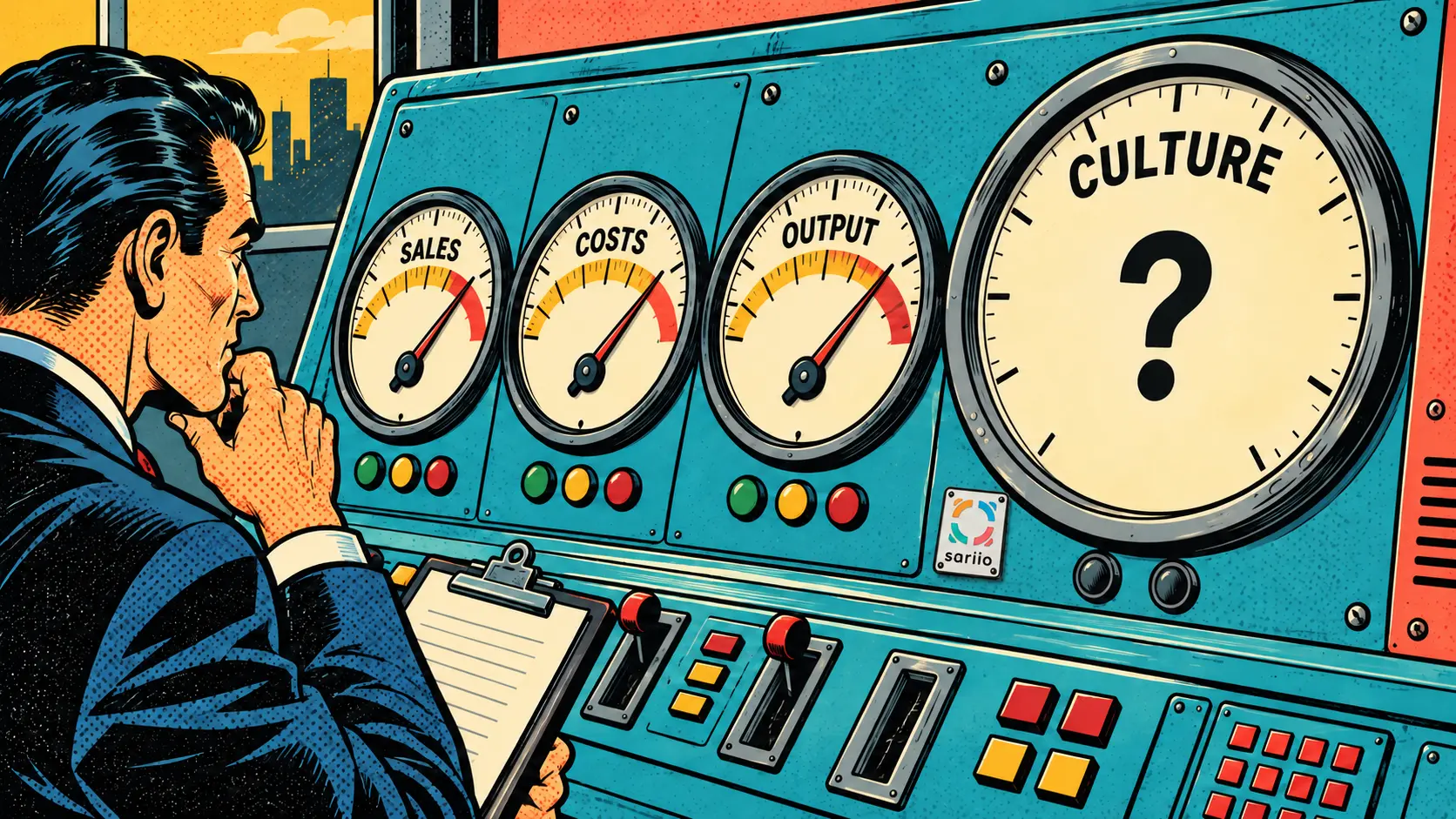
Culture becomes measurable when leaders read the repeated language and behaviour of their people; culture-strong firms grew revenue 682% over eleven years.
For leaders, notice the words people use and the behaviours they repeat, then map variation across teams before planning change.
Reading the culture
The twelve minutes each person spends on their work preferences can be read three ways. For one person it's a mirror. For a team it's a map. For an organisation it's a compass, showing where the culture helps the work and where it pulls against it.
See where campaigns and sites share a way of working and where they differ, before a change or a new client arrives.
Some teams will want the detail early, others the purpose and room to explore. Plan the support each one needs.
A heat map and a written narrative give leaders a shared language for what the culture is and what they want it to be.
One set of preference readings can reveal individual working styles, team fit and organisational culture, while Gallup reports just 1 in 5 people engaged at work worldwide.
For leaders, use preference patterns to shape team conversations and check change readiness before choosing where to focus first.
A facilitated starting point
David's Culture Blueprint reads how your people prefer to work across sites and campaigns, adds change readiness and a values overlay, and ends with a findings conversation with your leadership team.
Start with the change you have in mind, or the client you're preparing for, and the questions your leaders want answered.
Useful to bring
What's changing, who it affects and what your leaders need to understand before they decide.